
Allergy Testing in Denver, Colorado
Our allergy testing can be done with an at-home test which is delivered and returned by mail for results. The test reveals your specific allergens and the severity of each allergy. After your test, you will discuss your results and options with an allergy treatment expert.
Allergy Testing
We treat allergies specific to the Denver Colorado and the surrounding area, including our neighboring states. Our allergy testing panel includes the most common environmental allergens in the region.
We test for allergies to:
- Dust
- Cats
- Dogs
- Feathers
- Horses
- Trees
- Molds
- Weeds
- Brush
- Grasses
Note: Blood testing is available for at-home testing and is an option for all patients.
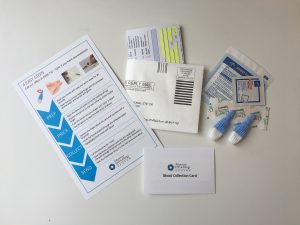 What to Expect from Your At-Home Allergy Test
- Book a consultation to determine if an at-home allergy test is right for you
- We mail you a test kit with easy 4-step instructions
- You perform the test yourself and send the results back in a pre-paid envelope
- You have a follow-up appointment with one of our trained specialty providers to go over your results
- We design a treatment plan tailored for your unique needs
Dedicated to Helping You Find Relief from Your Allergy Symptoms
Our doctors have been helping patients in Colorado manage and treat their allergies for over a decade. They are committed to understanding the scope of your allergies so that they can provide treatment options that will make your life better. Our doctors are ENT doctors and fellows in the Academy of Otolaryngic Allergy, qualifying them to address all of the possible causes of your congestion and discomfort.
We’re dedicated to helping you find solutions to your allergy problems and keeping our community safe at the same time. We are now offering online and virtual initial consultations, as well as at-home testing, so you can find real relief from your allergies without ever having to set foot inside an office.
– What Our Patients Say –
“Dr. Menachof was so amazing to talk to. He went over all my test results and explained everything thoroughly. He answered all my questions and was so knowledgeable and kind. He truly cares about his patient’s best interests.” – Diane C.
Allergy Testing FAQs
Typically there are 3 options for treating seasonal allergies including avoidance, medications and Immunotherapy. Our specialty-trained providers will work with you to find the treatment option that best fits your lifestyle and brings lasting relief from your allergies.
No! We’ve partnered with a state of the art blood testing allergy lab to offer convenient at-home allergy testing. It’s a convenient option for patients who don’t want to come into the office.
Allergy drops, which include putting 3 drops under your tongue daily, are a safe and convenient alternative to allergy shots and have been proven to be as effective in treating allergies as shots by independent studies from the World Health Organization and National Jewish.
Yes. We treat allergies for animals including cats, dogs, and horses.